Work / ActiveSG
ActiveSG · UX research & strategyActiveSG's plan was an app to track exercise, much like its sister app Healthy 365. It tested well. We told them to build something else, because the real problem was never tracking.
At a glance
About the project
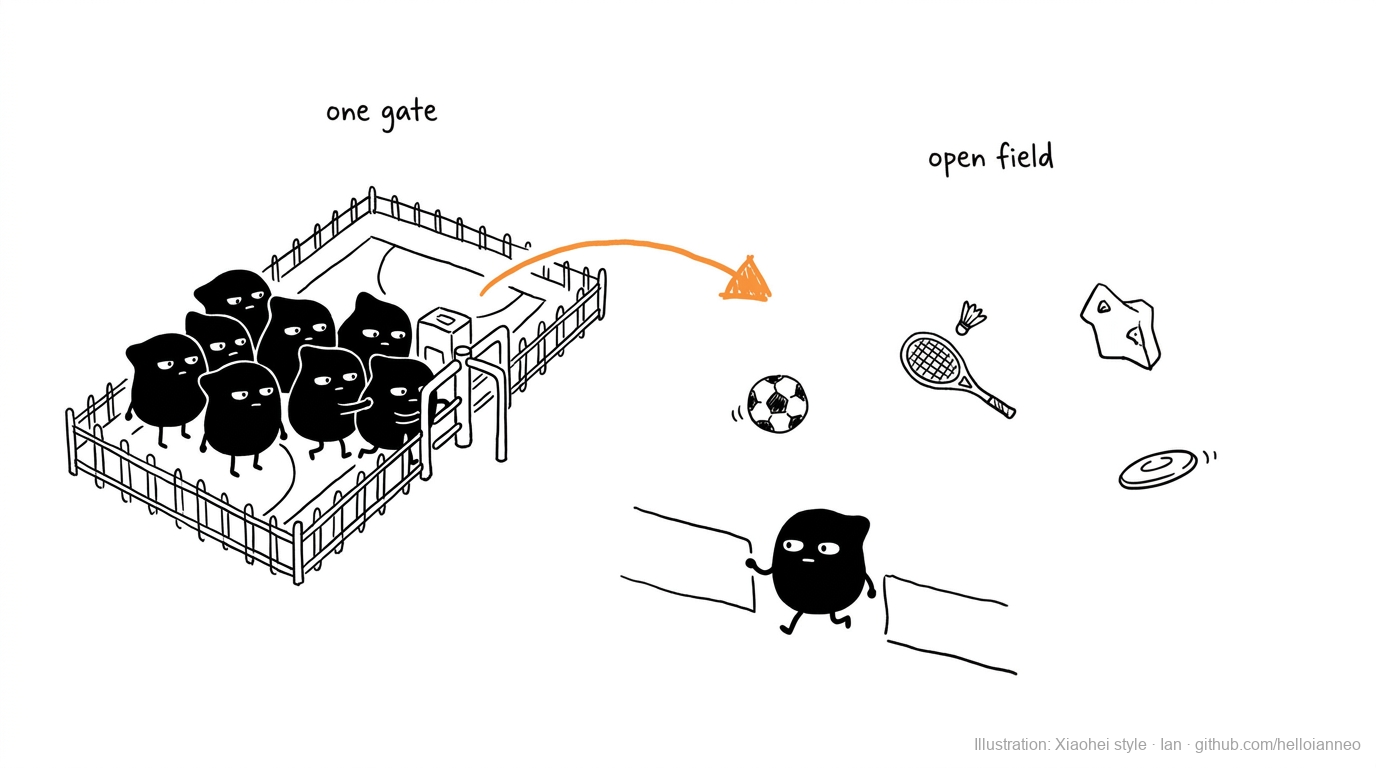
ActiveSG exists to get more of Singapore active. But you cannot grow a sporting nation inside a fixed number of courts and gyms. Facilities were limited, demand was high, and being active often meant fighting for a slot someone else had already booked. The facility was the ceiling. The brief was to break through it: reach people beyond the courts and gyms, with an app where they could track their own exercise and earn rewards, so being active did not depend on being near a facility.
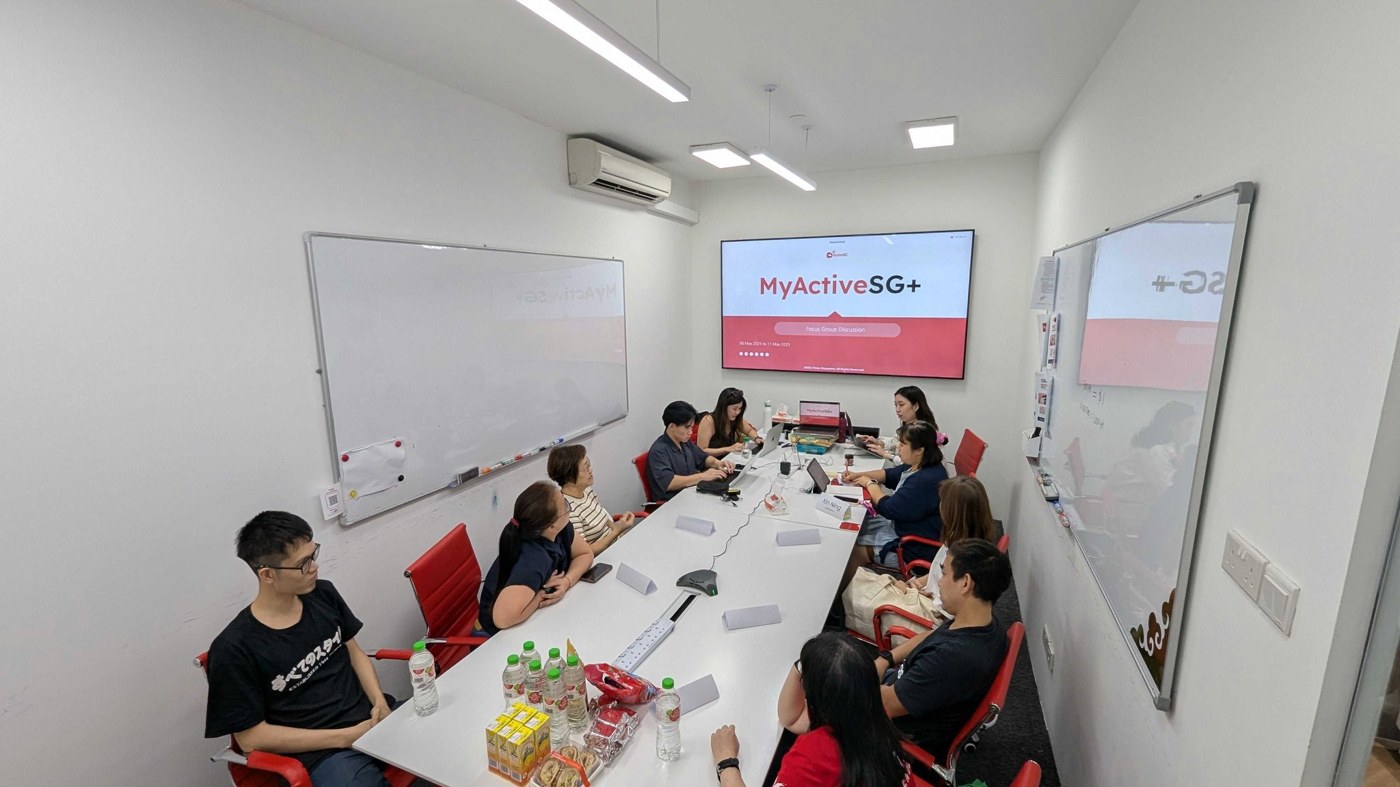
We prototyped it and researched it properly: surveys, focus groups, interviews, usability testing. People could use it. The steps made sense, the scores looked fine. But a test passing only tells you people can use a thing. It does not tell you they have a reason to.
The challenge
The people we were designing for were already on a government health app. Already tracking steps. Already earning rewards. Putting the proposed ActiveSG+ next to what they already had showed three risks: we would duplicate features, leave people wondering why they needed two government health apps, and spend public money rebuilding something that already worked.
Building it would have handed users one more app to tolerate, not one more reason to feel something.
The process
ActiveSG asked for an app extension beyond its facilities: track exercise, earn rewards. We prototyped it and put it through surveys, focus groups, interviews, and usability sessions. It passed.
Just because people can use something does not mean they will, or that they should. The tests measured the screens. They could not see whether the strategy behind them was right. That gap was what we kept circling.
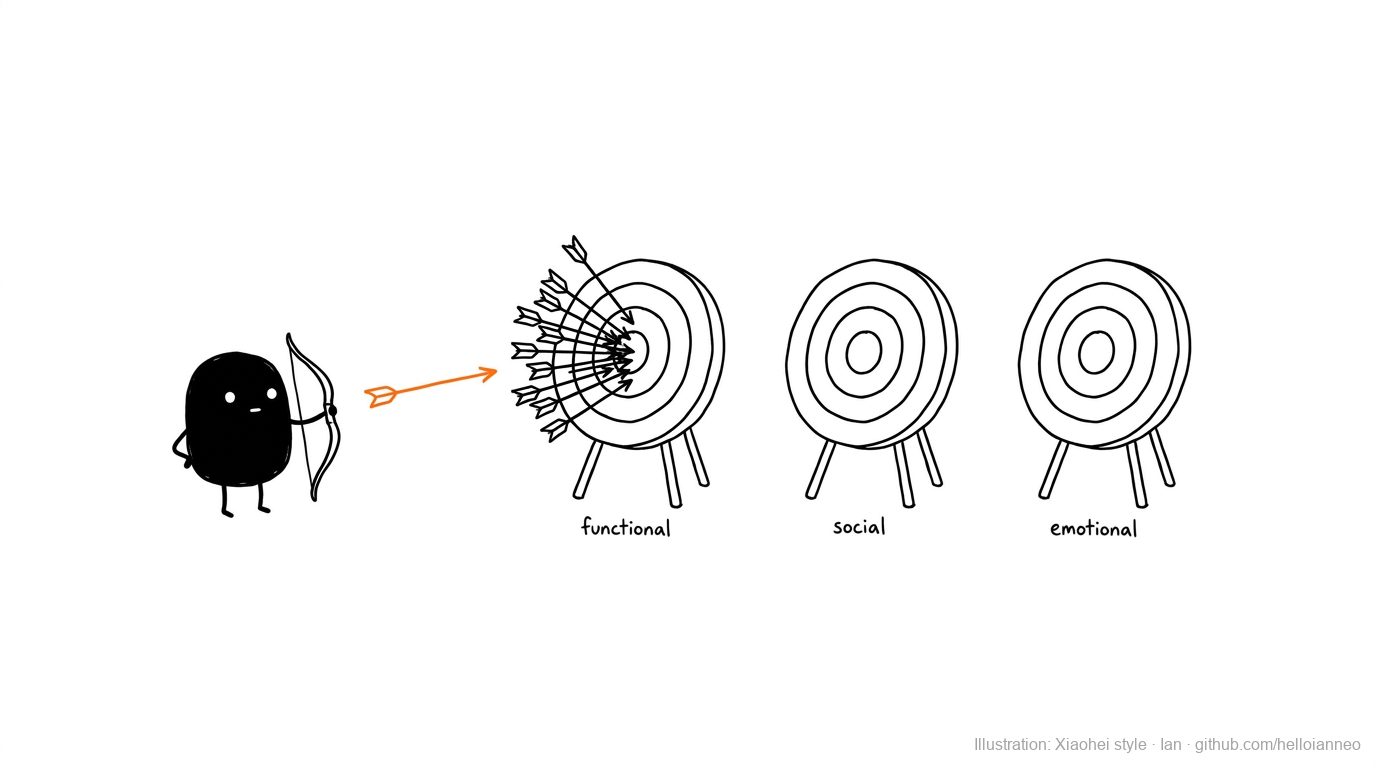
Every need people bring to sport is really three jobs at once. The functional job is the practical one: track, book, earn. The health app people already used had that covered. The social job, being seen as active and part of a community, was underserved. The emotional job, feeling confident, feeling like you belong, feeling yourself improve, was almost entirely ignored. The brief was pouring effort into the one job that was already done.
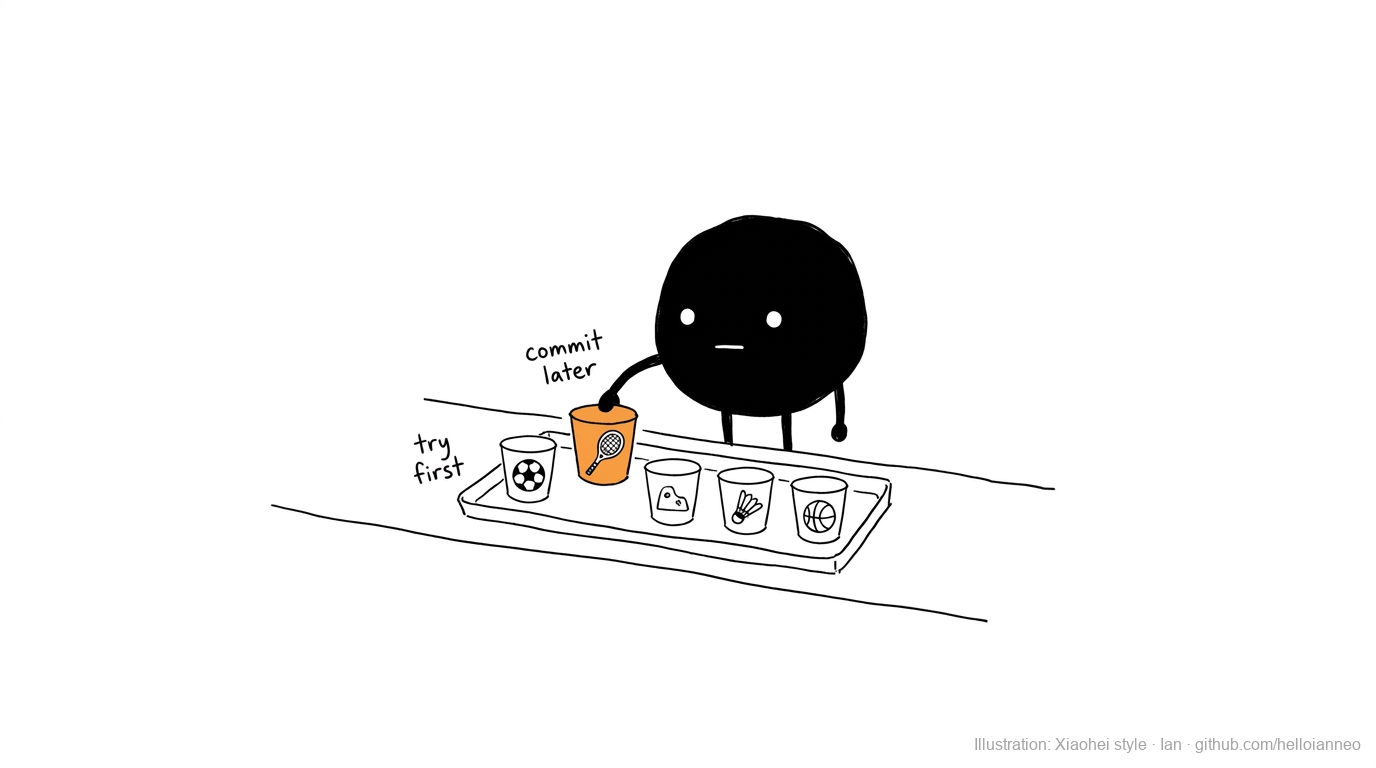
We stopped asking what features to build and asked what people actually do with sport. The research surfaced one clear pattern: people love to try things. Give them a low barrier and curiosity does the rest. The catch was that trying almost always meant committing first, paying for a full class before you knew you liked it. So we organised ActiveSG+ around experiences, not facilities. Instead of booking a court, you browse what you could try: rock climbing, pickleball, a masterclass with a Team Singapore athlete. Sample it at low or no cost, and when something sticks, the platform upsells it into proper classes. Try first, commit later: the ClassPass model, pointed at a whole country's curiosity for sport.
Much of the full vision needed an app, a big jump from ActiveSG's current website. So we split the plan into stages: what to build now on the web, what came next, and what needed an app later. The ambition stayed intact. Only the order changed.
The contested moment
The public already trusted Healthy 365, the Health Promotion Board's established health app, and the tests said a similar build would be fine. I argued against it. The functional job, track and earn, was already solved there. As one participant put it in a focus group: "Why do I need two government health apps?" The job worth owning was the one no competitor could replicate: barrier-free sporting discovery, built on the facilities, programmes, coaches, and Team Singapore access that only ActiveSG has.
Results
Honestly, we did not have the language for this at the time. I knew the strategy was not enough, and that the research was pointing somewhere more interesting, and I trusted that. It was only later, in a growth hacking course, that Jobs To Be Done gave me the words for what the team had already sensed. Sometimes the framework finds you after the work is done.
What stayed with me
Usability testing can validate a product. It cannot validate a strategy. And no amount of great design saves a product built on the wrong foundation.