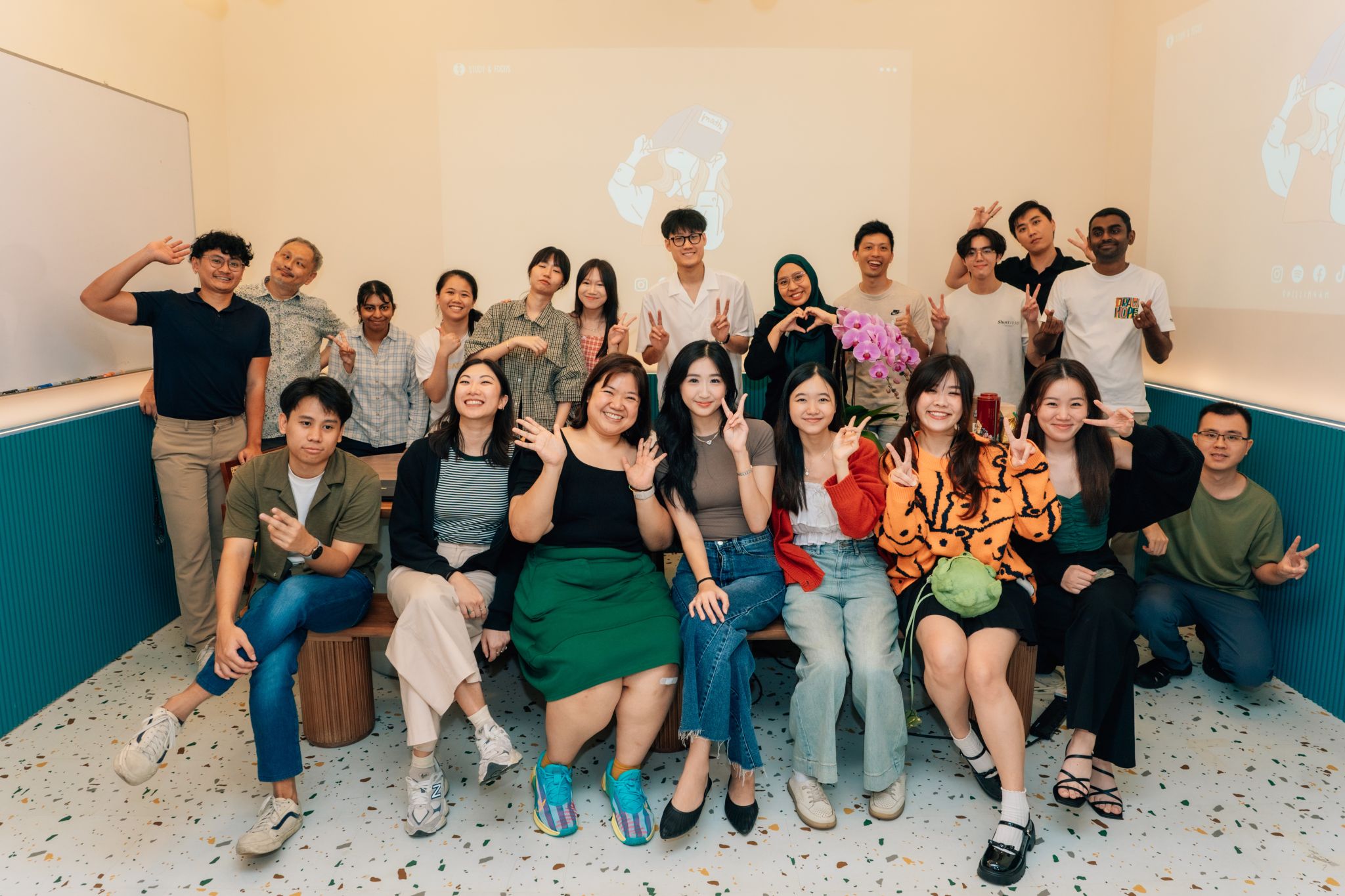
As Creative Services Manager, I have discovered something powerful about building high-performing design teams: the best hiring decisions happen when experienced designers have real input on who joins their ranks and who they will invest time mentoring.
From Assignment to Choice
Early in my leadership journey, I made all hiring decisions and assigned mentoring relationships. But as my team tackled increasingly complex government projects, from AI-powered exhibitions to multicultural health research, I realised my designers understood what they needed in colleagues and mentees better than I could predict.
So I shifted from making assignments to facilitating choices, and the transformation in team dynamics has been remarkable.
Full-Timers Choose Their Mentees
When hiring interns, I let experienced designers choose who they want to mentor. This is not just about preference. It is about creating genuine investment in someone’s growth and success.
When you are assigned a mentee, you do your professional duty. But when you choose someone whose potential excites you, whose learning style matches your teaching approach, and whose curiosity aligns with your expertise, that is when real mentorship happens.
My designers ask different questions during intern interviews than I would: “How do you handle being completely lost in your first week?” “What kind of feedback helps you learn fastest?” “How comfortable are you with constant iteration and critique?” They are evaluating not just skill, but learning compatibility.
Team Evaluation for Full-Time Hires
For permanent positions, the entire team, including interns, participates in open evaluation after my initial vibe check. I encourage honest critique about whether candidates can handle our unique challenges: government stakeholder management, multicultural user research, and overnight design pivots based on user feedback.
My team knows what it takes to thrive in our environment because they live it daily. They ask questions that reveal true fit: How do you defend design decisions to skeptical stakeholders? What is your experience with culturally sensitive research? How do you stay resilient when projects change direction?
Building Ownership Through Choice
This approach created a culture where everyone takes ownership of team success. Experienced designers feel invested in their mentees because they chose them. New hires feel welcomed because they have been evaluated and accepted by the people they will work alongside daily.
Mentorship shifts from obligation to opportunity when people choose the relationships they are accountable for.
The Results: Accountability and Excellence
Mentoring relationships are stronger because they are based on mutual choice and genuine interest. Team cohesion improves because everyone participates in shaping the culture. Standards stay high because people are accountable for their choices.
When a designer’s chosen mentee struggles, they work harder to help them succeed because it reflects on their judgement. When someone excels, the mentor shares in that achievement. This creates a positive cycle of investment and growth.
Trust Creates Investment
Some leaders fear giving teams this much input in hiring and mentoring decisions. I have found the opposite: when you trust experienced people to make choices about their work relationships, they rise to the occasion. They become more thoughtful evaluators, more invested mentors, and stronger team advocates.
The best teams choose each other. My job is facilitating those choices and trusting the investment that follows.